

Explore Deeper
Beyond the Icons: Beijing Neighbourhoods, Gardens & Art
Create a deeper city experience without repeating the same hutong walk in every itinerary.
The Short Answer
Choose a question, then a place: commercial heritage around Qianmen and Dashilar, a lakeside perspective around Shichahai, garden design at the Summer Palace, or industrial reuse at 798 and Shougang. Combine compatible places and check specific venues rather than promising unrestricted access.
1. Depth does not mean a longer list of hutongs
A local-life experience can be valuable, but repeating the same lanes across several products does not create depth. Ask what each visit helps you understand: trade, residential life, landscape design, industry, contemporary creativity or the relationship between old and new. A different subject can justify a different day even when both take place inside Beijing.
A good route has a main question and a natural sequence. It might follow commercial streets into a cultural subject, compare a garden's buildings with its water landscape, or look at how an industrial site has been reused. The aim is to observe and interpret, not to use residents, businesses or artists as unconfirmed attractions.
2. Qianmen and Dashilar: a commercial-city perspective
Qianmen (前门) and Dashilar (大栅栏) can support a route about the city's commercial atmosphere. Look beyond the most obvious frontage: street scale, shop signs, building details and the contrast between a main street and smaller connecting lanes can provide a richer experience.
A food or shopping stop should have a clear reason to be in the route. Do not claim a shop is a partner, that a craft demonstration will occur or that a private space can be entered without confirmation. Leave time to observe and ask questions where appropriate. The visit should remain worthwhile even if a particular shop is closed.
3. Shichahai and neighbourhood life: respect the setting
Shichahai (什刹海) offers a lakeside context for understanding a different part of the city. A route can balance water views with selected streets rather than simply naming another hutong. Choose the actual walking stretch according to the group's comfort and the conditions on the day.
Neighbourhoods are lived spaces. Stay on public routes, avoid blocking entrances and ask before photographing an identifiable person closely. Do not enter a courtyard because its gate is open. A respectful visit does not promise resident encounters or access to homes; it makes room for everyday life without treating it as a staged performance.


4. Gardens: read the landscape, not just the monuments
The Summer Palace can be explored through the relationship between buildings, water and views. Instead of trying to cover every named feature, choose a coherent route and allow time to notice how the setting changes. The Summer Palace: Beijing official visitor guide offers a useful introduction to the landscape and key buildings.
Beihai and other city gardens provide different scales and contexts. Choose them for what they add to your trip, not as filler after a major attraction. Boats, exhibitions and special access must be checked separately. A garden-focused day should also describe walking, steps and rest points, especially for travellers who prefer a slower pace.
5. 798 and Shougang: compare industrial reuse thoughtfully
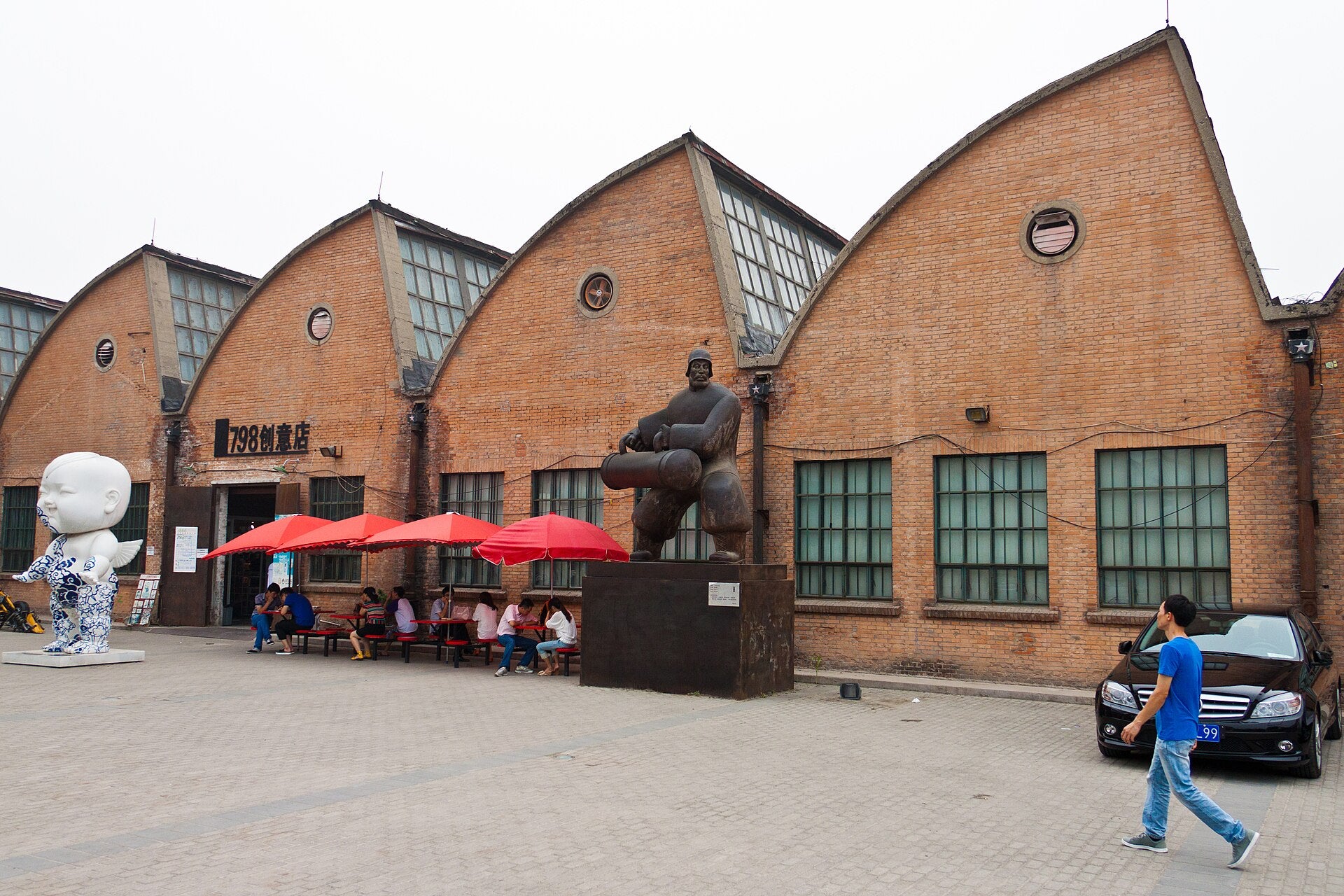
798 Art District (798艺术区) and Shougang Park (首钢园) offer ways to consider contemporary Beijing through former industrial settings. They are different places and should not be treated as adjacent stops. Beijing's official Beijing industrial-heritage destinations introduces both as industrial-tourism destinations; any exhibitions mentioned in older news need a new check before being included.
At 798, distinguish an outdoor district walk from entry to specific galleries or exhibitions. At Shougang, decide which parts of the landscape and reuse story matter to your group. Opening conditions, exhibition programmes and paid access can change. Do not promise an artist meeting, studio visit or special demonstration without a confirmed arrangement.
6. Build a richer route from one interest
If you enjoy architecture, choose a subject such as ceremonial planning, courtyard form or industrial structures. If you enjoy food, connect a meal to a neighbourhood story. If you enjoy photography, explain the subject and leave time to observe it. These choices create a more distinctive itinerary than replacing one generic attraction with another.
For repeat visitors, list what you have already seen and what you want to understand next. We can discuss a route that adds a new perspective while keeping transport and pace realistic. The final proposal should state which venues and experiences are confirmed and which remain alternatives. Depth depends on the quality of the sequence, not on a claim of exclusive access.
Questions & Answers
Can I avoid hutong routes entirely?
Yes. Gardens, architecture, museums and contemporary-city themes can form a route without a hutong walk. Tell us your interests and what you have already visited.
Does a 798 visit include every exhibition?
No. A district walk and individual exhibition admission are different arrangements. Confirm specific venues, opening conditions and any additional costs.
Can you arrange private courtyard or artist-studio access?
Only if a specific arrangement has been confirmed. Public-route planning should never imply permission to enter private homes, courtyards or working studios.
Official Sources & Updates
Official pages were checked on the date shown. Entry rules, reservations, service terms and operating conditions can change. Recheck the relevant authority or provider before travel; this guide does not determine entry eligibility or guarantee access.
- Beijing industrial-heritage destinations (Checked 2026-10-04)
- Summer Palace: Beijing official visitor guide (Checked 2026-10-04)
- Beijing official park and attraction visitor information (Checked 2026-10-04)
About the Photography
These are independent, openly licensed archive photographs. They are not Jingbound guest photographs and do not guarantee current weather, crowds, menus or services. Photo source and licence links accompany the images.
Nikolaj Potanin from Russia · CC BY-SA 2.0 · Former industrial buildings at 798 Art Zone, Beijing · Archive photo · resized; layout may crop