

Plan Your Stay
When to Visit Beijing: Seasons, Crowds & Flexible Planning
Choose the conditions you prefer, then design a route that still works when weather or crowds change.
The Short Answer
Spring and autumn may suit travellers seeking milder outdoor conditions; summer needs heat and rain planning, and winter needs warmth and shorter outdoor stretches. No season guarantees clear skies, flowers, snow or autumn colour. Check forecasts, holiday dates and attraction notices for your actual trip.
1. Choose for the experience you want
The best time to visit Beijing depends on what a good day means to you. A photographer may prioritise light and visibility; a family may prefer school-holiday convenience; a museum lover may be content with more indoor time. Rather than naming one perfect month, identify what would make your preferred activities comfortable.
Beijing's outdoor settings change with the seasons, but photographs are not forecasts. An autumn-coloured Great Wall image does not guarantee the same appearance on your date. Blossom, foliage and snow vary with weather and location. Check the current city information through the Beijing International Web Portal and consult a forecast closer to departure.
2. Spring: flexible layers and realistic expectations
Spring can be attractive for gardens and city walks, but conditions can change between morning and afternoon. Pack layers and choose a route with indoor or sheltered alternatives. If seasonal flowers are a major reason for the trip, keep the visit flexible rather than building the whole itinerary around one expected bloom date.
A spring day can combine a garden with a nearby cultural experience, provided current access is checked. Think about wind, pollen sensitivity and the amount of exposed walking. For sensitive travellers, discuss these practical concerns before confirming a long outdoor route. This is general planning advice, not a health recommendation or a prediction for a particular week.
3. Summer: protect the middle of the day
In warmer conditions, a continuous outdoor programme can become tiring. Plan drinking water, shade and a comfortable meal break. Consider a shorter outdoor morning followed by an indoor experience, then another brief walk only if the conditions and your energy allow. Do not count on every attraction having shaded seating exactly where you need it.
Rain or storms can affect outdoor outings and equipment operations. Avoid putting your most important weather-dependent experience into the only possible time slot. For families, build in a clear place to pause rather than relying on the group to push through. Check the forecast and the relevant attraction's official notices before setting off.


4. Autumn: attractive light does not remove logistics
Autumn can be appealing for outdoor sightseeing and photography, but a comfortable temperature does not make Beijing's major places empty. Keep reservation planning, transport and crowd tolerance in the itinerary. Seasonal colours can differ across the city, the mountains and Great Wall locations.
For a photography-focused journey, allow time to wait and look instead of scheduling a new destination every hour. A useful proposal identifies the preferred subject, possible viewpoints and a fallback if visibility is poor. Sunset is not an automatic promise: access rules, closing times and the weather determine what can actually be arranged.
5. Winter: shorter outdoor stretches, warmer pauses
Winter planning should take cold, wind and potentially slippery surfaces seriously. Divide outdoor walking into manageable sections and identify where the group can warm up. Dress for standing as well as walking: a stop to listen or photograph a building can feel colder than moving continuously.
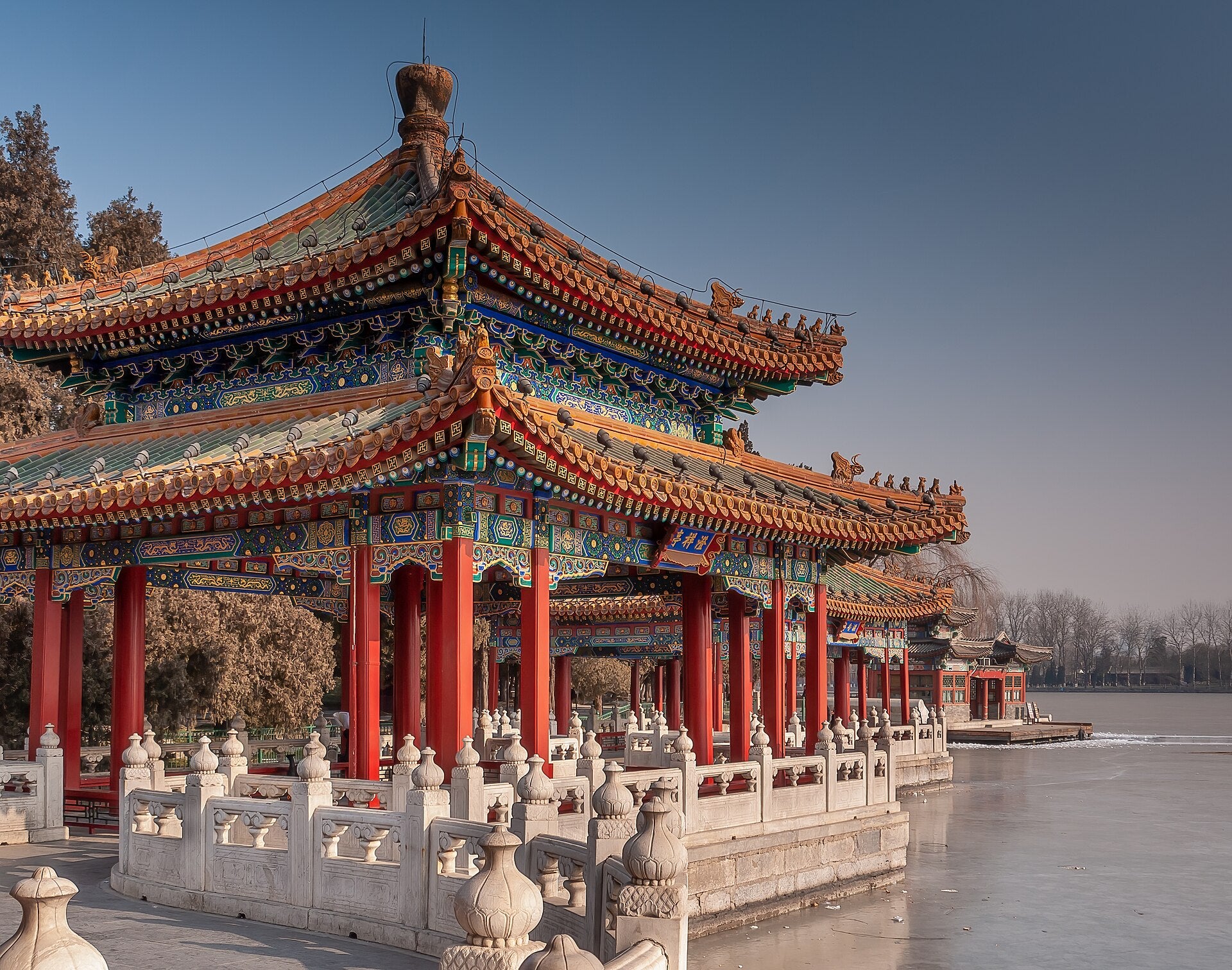
Do not use a frozen lake or a snow-covered wall as evidence that a winter activity is operating. Seasonal services and outdoor safety conditions require a current check. A heritage route can be redesigned around indoor interpretation and shorter exterior views. A garden can still be worthwhile, but the itinerary should explain the winter experience rather than promise a summer-like visit.
6. Account for holidays and opening calendars
Check official public-holiday dates for your year and inspect the specific attractions you intend to visit. Holiday periods can influence crowding and reservations; regular weekly closures can also move a major visit to another day. The Palace Museum: official visiting guidance notes a normal Monday closure outside statutory holidays and publishes changing visitor arrangements.
Keep one alternative experience that does not depend on the same weather or ticket conditions as your main plan. Confirm how changes are handled and whether a substitute would alter costs. Flexibility means having a useful plan B, not assuming every attraction or service can be switched at the last minute.
Questions & Answers
Can you guarantee autumn colours or snow?
No. Seasonal appearance depends on weather and location. Photographs show a recorded moment, not a guarantee of the conditions during your visit.
Should I avoid visiting during a public holiday?
That depends on your available dates and tolerance for crowds. Check the calendar and reservation conditions, then choose a route and pace that remain realistic.
What happens if the weather changes?
A proposal should identify useful alternatives and explain any change in inclusions or costs. Outdoor services remain subject to current operating and safety conditions.
Official Sources & Updates
Official pages were checked on the date shown. Entry rules, reservations, service terms and operating conditions can change. Recheck the relevant authority or provider before travel; this guide does not determine entry eligibility or guarantee access.
- Beijing International Web Portal (Checked 2026-10-04)
- Palace Museum: official visiting guidance (Checked 2026-10-04)
About the Photography
These are independent, openly licensed archive photographs. They are not Jingbound guest photographs and do not guarantee current weather, crowds, menus or services. Photo source and licence links accompany the images.
Ermell · CC BY-SA 4.0 · Five Dragons Pavilion at Beihai Park, Beijing; winter archive image · Archive photo · resized; layout may crop